


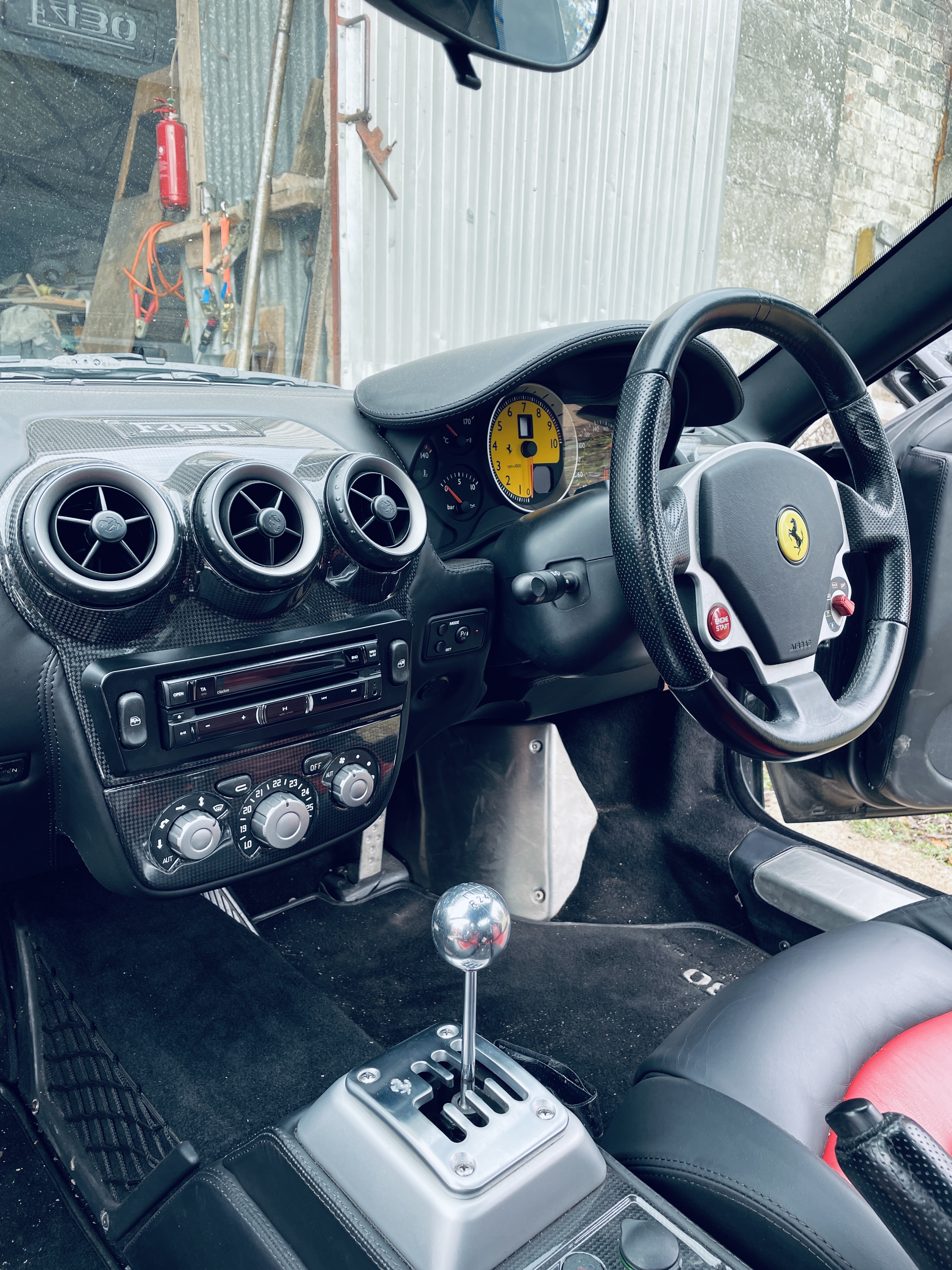

How Does a Ghost Immobiliser Stop Car Theft?
If you've been researching vehicle security, you've probably come across the Ghost Immobiliser. One of the questions I'm asked almost every day is, "How does it actually stop someone stealing my car?"
It's a fair question, especially when modern thieves seem to be finding new ways to steal vehicles without even needing the keys.
After installing countless Ghost Immobilisers over the years, I've realised there's a lot of confusion about what they do, how they work, and whether they're actually effective. This article explains how a Ghost Immobiliser works in plain English, along with some of the real-world experiences I've had protecting customers' vehicles.
What Is a Ghost Immobiliser?
One of the biggest misconceptions I hear is that a Ghost is an alarm system.
It isn't.
A Ghost Immobiliser is exactly what its name suggests—an immobiliser. Its only job is to stop the engine from being driven away, even if someone has managed to unlock the vehicle or start the engine.
Unlike traditional alarms, there are:
-
No sirens
-
No flashing LEDs
-
No key fobs
-
No radio frequency signals
-
Nothing visible that tells a thief it's installed
That surprises a lot of customers.
Many assume thieves can simply find the unit and unplug it. In reality, when installed properly, there should be no obvious signs that a Ghost Immobiliser is even fitted.
How Does a Ghost Immobiliser Actually Work?
Once installed, the Ghost communicates with the vehicle's CAN Bus network.
Every time you want to drive the vehicle, you enter a unique PIN sequence using existing buttons inside the car, such as steering wheel controls or dashboard buttons.
Until the correct sequence has been entered, the vehicle remains immobilised.
Even if someone has:
-
Cloned your key
-
Performed a relay attack
-
Used specialist theft equipment
-
Programmed another key
-
Forced entry into the vehicle
...they still cannot drive away without knowing the unique disarm sequence.
The system doesn't advertise its presence, making it incredibly difficult for thieves to know what they're dealing with.
Why This Matters With Modern Vehicle Theft
Vehicle theft has changed dramatically over the last few years.
It's no longer simply someone taking a car for a joyride.
Today, organised criminal groups target desirable vehicles using specialist electronic equipment. Many stolen vehicles have their identities changed before being sold back into the market. In some cases, the new owner has absolutely no idea they're buying a previously stolen vehicle.
Unfortunately, I've also seen how quickly theft methods evolve.
Relay attacks have become common on many premium vehicles, particularly Range Rovers, while CAN injection attacks have become a major problem on several Toyota and Lexus models.
Factory security simply wasn't designed to deal with some of these attack methods.
That's why I always recommend adding additional layers of protection rather than relying solely on what the manufacturer provides.
Real Examples I've Seen
One of the reasons I have confidence recommending Ghost Immobilisers is because I've seen them work.
I've had multiple customers with Range Rovers wake up to find their vehicle still sitting on the driveway after thieves had attempted a relay attack during the night.
The thieves had successfully gained access to the vehicle.
They'd managed to wake it up.
They'd tried to steal it.
But they couldn't drive it away because the Ghost Immobiliser prevented the vehicle from being put into gear without the correct disarm sequence.
I've also seen several Toyota vehicles targeted using CAN injection techniques.
Again, entry was gained, but the vehicle remained exactly where the owner had left it.
In many cases, the only evidence of the attempted theft was minor damage where access had been forced.
The vehicle itself was still there.
Is A Ghost Immobiliser Enough On Its Own?
My honest answer is no.
No security product can guarantee a vehicle will never be stolen.
Anyone who tells you otherwise is making promises they simply can't keep.
My philosophy has always been to make the vehicle as difficult as possible to steal.
Every additional obstacle increases the amount of time, noise, effort and risk involved for the thief.
For higher-risk vehicles, I often recommend combining several security measures:
-
Ghost Immobiliser
-
Thatcham-approved tracker
-
Dashcam
-
Steering wheel lock
-
Parking another vehicle behind it whenever possible
If thieves realise a vehicle is going to take significantly longer to steal than the one parked next to it, there's a good chance they'll move on.
I Don't Recommend A Ghost For Everyone
This might sound unusual coming from someone who installs them regularly, but I don't believe every customer should have a Ghost Immobiliser.
For example, I generally wouldn't recommend one for elderly customers who may find entering the PIN sequence every time they drive frustrating.
Instead, I often recommend a No Tag No Start (NTNS) immobiliser, which automatically authorises the vehicle when the driver carries a secure tag.
Likewise, there are occasions where I've recommended a Thatcham Category 2 immobiliser instead because it better suited both the vehicle and the customer's requirements.
The right solution depends on the vehicle, the theft risk and how the customer uses it every day.
Installation Is Just As Important As The Product
A Ghost Immobiliser is only as good as the installation.
Sadly, I spend time every week correcting poor installations carried out elsewhere.
I've seen loose wiring, damaged trims, exposed modules and installations that practically advertise where the system has been fitted.
That's not how vehicle security should be installed.
When I fit a Ghost Immobiliser, I treat every vehicle as though it were my own.
That means:
-
No obvious signs of installation
-
Trims refitted correctly
-
Wiring looms returned exactly where they belong
-
Correct automotive tape used throughout
-
Everything secured exactly as it should be
If someone looks inside the vehicle afterwards, they shouldn't be able to tell anything has been installed.
That's the standard I expect.
Why Customers Trust JB Autowerx
Over the years, I've installed countless Ghost Immobilisers across a huge variety of vehicles.
Alongside that practical experience, JB Autowerx is recognised within the industry through certifications including:
-
TASSA
-
IMI
-
AVI Group
Those qualifications are important, but experience matters just as much.
Every vehicle presents different challenges, and every installation should be carried out with care and attention to detail rather than simply getting the job finished as quickly as possible.
Final Thoughts
Ghost Immobilisers have earned their reputation because they target one thing that modern thieves need above everything else—the ability to drive the vehicle away.
Even if criminals gain entry, clone your key or use sophisticated electronic theft techniques, they still need to defeat the immobiliser before they can leave.
In my experience, that's exactly why they've prevented so many thefts.
No vehicle is completely impossible to steal.
The goal isn't to make your car unstealable.
The goal is to make it such a difficult, time-consuming and risky target that the thief decides it simply isn't worth the effort.
 +44 (0) 1473 875148
 Mobile Service Provided